
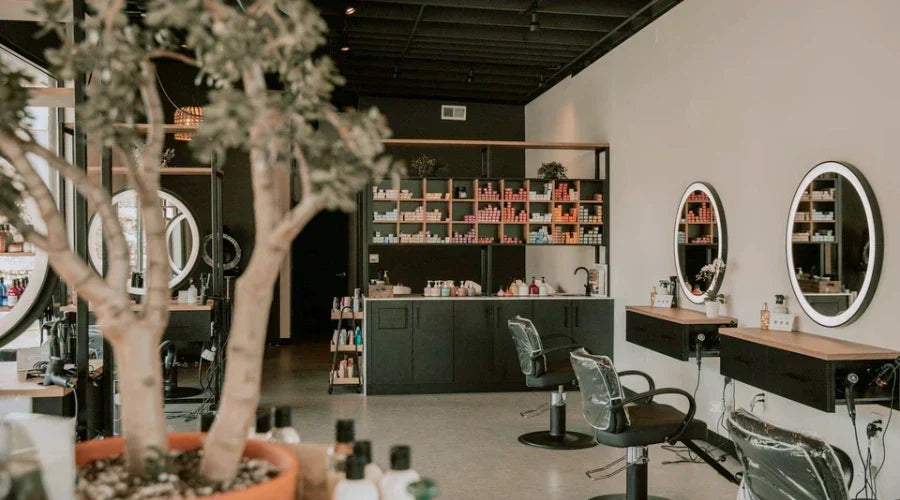
Opening a salon is an exciting venture, but turning your vision into a reality requires careful planning. One of the most significant steps is sourcing the right salon equipment. The styling chairs, styling station, shampoo shuttles, and other salon equipment you choose will define your client experience, empower your stylists, and shape the daily workflow of your business. So, what salon equipment do you need to open a salon?
This guide breaks down the essential salon equipment you'll need to get started. We will explore the must-haves for different types of salons, discuss the difference between essential and "nice-to-have" items, and provide tips on how to budget for these crucial investments.
The Foundation: Equipment for Any Salon Type
Before we dive into specialized items, some pieces of salon equipment are fundamental to nearly every salon or spa. These items create a professional environment and handle the administrative side of your business.
-
Reception Desk: This is your salon's first impression. Your reception desk should be stylish, welcoming, and functional, with enough space for a computer, phone, and payment system.
-
Waiting Area Seating: Comfortable reception chairs or a sofa for clients who arrive early or are waiting for their service to begin.
-
Retail Display Shelving: If you plan to sell products, you need an attractive way to display them. Good lighting and clean shelving can significantly boost sales with properly positioned retail displays.
-
Washer and Dryer: Salons go through a high volume of towels and capes. An in-house laundry setup is often more cost-effective and convenient than a laundry service.
-
Point of Sale (POS) System: A modern POS system does more than just process payments. It can manage appointments, track client history, and handle inventory.

Essential Salon Equipment for a Hair Salon
For a hair salon, your salon equipment needs to support a wide range of services, from simple cuts to complex color treatments. Functionality, durability, and stylist comfort are key.
Must-Have Hair Salon Equipment
-
Styling Chairs: These are the centerpiece of your salon equipment. Look for hydraulic styling chairs like the Atticus that are easy to adjust, comfortable for clients to sit in for extended periods, and upholstered with a material that is easy to clean, such as high-quality vinyl. The base should be heavy and stable for maximum safety.
-
Styling Stations: Each stylist needs a dedicated styling station. This essential salon equipment should include a large, clear mirror, ample counter space for tools, and storage drawers. Many styling stations have built-in tool holders to keep hot tools secure and organized.
-
Shampoo Shuttles (Shampoo Stations/Backwash Units): A comfortable shampoo experience sets the tone for the entire service. Modern shampoo shuttles like the Malia are designed with tilting bowls to accommodate different client heights and feature comfortable neck rests. Ensure the plumbing for your shampoo shuttles is easy to access for maintenance and efficient cleaning.
-
Hooded Hair Dryers: Essential for color processing, deep conditioning treatments, and setting styles. Choose salon equipment that provides even heat distribution and is easily adjustable.
-
Salon Trolleys or Carts: These rolling carts and trolleys keep a stylist's tools organized and within reach. Look for models with multiple drawers and a heat-resistant top surface as part of your essential equipment.
Nice-to-Have Hair Salon Equipment
-
Color Processing Machines: Accelerators can shorten processing times for color and treatments, allowing you to serve more clients.
-
Towel Warmers: A warm towel at the shampoo shuttle or during a shave adds a touch of luxury that clients will remember.
-
Autoclave/Sterilizer: While barbicide is standard for disinfecting combs and shears, an autoclave provides medical-grade sterilization for metal instruments, which can be a premium selling point.
Essential Salon Equipment for a Nail Salon
A nail salon requires specialized salon equipment focused on hygiene, precision, and client comfort during manicures and pedicures.
Must-Have Nail Salon Equipment
-
Manicure Tables: These tables should have adequate surface area for both the technician and the client. Many models include built-in ventilation systems to remove dust and fumes, protecting the health of everyone in the salon. Look for surfaces that are non-porous and easy to sanitize, like acetone-resistant laminate.
-
Pedicure Chairs: Modern pedicure chairs are all-in-one units that include a comfortable client seat, a foot bath with whirlpool jets, and a small stool for the technician. Prioritize chairs that are easy to clean and disinfect, especially the "pipe-less" jet systems that reduce bacterial growth.
-
Technician Chairs: Nail technicians spend their entire day seated. An ergonomic chair with adjustable height and good back support is crucial salon equipment to prevent strain and injury.
-
UV/LED Nail Lamps: A necessity for curing gel polish. LED lamps cure faster and last longer than traditional UV lamps. Having one for each manicure station is ideal.
-
Sterilization Pouches and an Autoclave: Client safety is paramount. An autoclave is non-negotiable for sterilizing metal tools like clippers, pushers, and nippers. Using sealed sterilization pouches shows clients you are committed to the highest standards of hygiene.
Nice-to-Have Nail Salon Equipment
-
Electric Nail Drills (E-files): For experienced technicians, an e-file can speed up services like acrylic fills and gel removal.
-
Paraffin Wax Warmers: A paraffin wax treatment is a popular add-on service for hands and feet that can increase your revenue per client.
Essential Salon Equipment for a Spa or Esthetician Room
Spa equipment focuses on creating a serene, relaxing environment while providing the technical tools needed for skin treatments.
Must-Have Spa Equipment
-
Facial/Massage Beds: This is the most important piece of furniture in a treatment room. Look for an electric or hydraulic bed that is easily adjustable. It should have a comfortable foam mattress covered in a durable, easy-to-clean material. A built-in face cradle is a must for client comfort.
-
Esthetician Trolley: Similar to a salon trolley, this cart keeps all your products, tools, and supplies organized and mobile.
-
Facial Steamer: A steamer is used in almost every facial to open pores and soften the skin. Choose salon equipment with an adjustable arm and ozone functionality, which has an antibacterial effect.
-
Magnifying Lamp (Mag Lamp): This allows the esthetician to see the client's skin in detail for extractions and analysis. LED models are bright and energy-efficient.
-
Hot Towel Cabinet: Essential for providing warm towels during facials and other body treatments. This simple touch elevates the client experience significantly.
Nice-to-Have Spa Equipment
-
Microdermabrasion Machine: A popular and profitable service, this machine exfoliates the skin mechanically.
-
High-Frequency Machine: Used to treat and prevent acne, shrink enlarged pores, and reduce the appearance of fine lines.
-
Specialty Equipment: Depending on your service menu, you might invest in LED light therapy panels, microcurrent devices, or body wrap equipment.
Budgeting and Sourcing Your Salon Equipment
Now that you have your list of salon equipment, how do you pay for it all? You have a few options, each with its pros and cons.
-
Buying New: Purchasing new salon equipment gives you the latest technology, full warranties, and the ability to customize colors and finishes to match your brand. While it requires the highest upfront cost, it's often the most reliable long-term investment.
-
Financing: Many suppliers offer financing options that allow you to pay for your salon equipment in monthly installments. This makes the initial cost more manageable, but be sure to factor interest rates into the total price.
-
Renting or Leasing: Leasing salon equipment results in a lower monthly payment and often includes maintenance. However, you won't own the equipment at the end of the term. This can be a good option if you want to keep your startup costs low or if you plan to upgrade equipment frequently.
-
Buying Used: You can find significant savings by purchasing used salon equipment, but it comes with risks. There is typically no warranty, and you may face unexpected repair costs. Thoroughly inspect any used items before buying.
When making your decision, consider more than just the price. Think about the durability and ergonomics of each piece of salon equipment. Cheaper equipment may wear out faster, costing you more in the long run. Uncomfortable styling chairs can lead to unhappy clients and stylists. Finally, ask about the warranty and ease of maintenance to ensure your investment is protected.
Building your salon is a journey. By creating a detailed salon equipment checklist and carefully weighing your purchasing options, you can set your business up for success from day one.